


ASMARA, ERITREA — The African Commission on Human and Peoples’ Rights (ACHPR), the continent’s leading human rights tribunal, has delivered a scathing indictment of the Eritrean government, finding it responsible for severe and persistent violations against members of the Jehovah’s Witnesses faith.
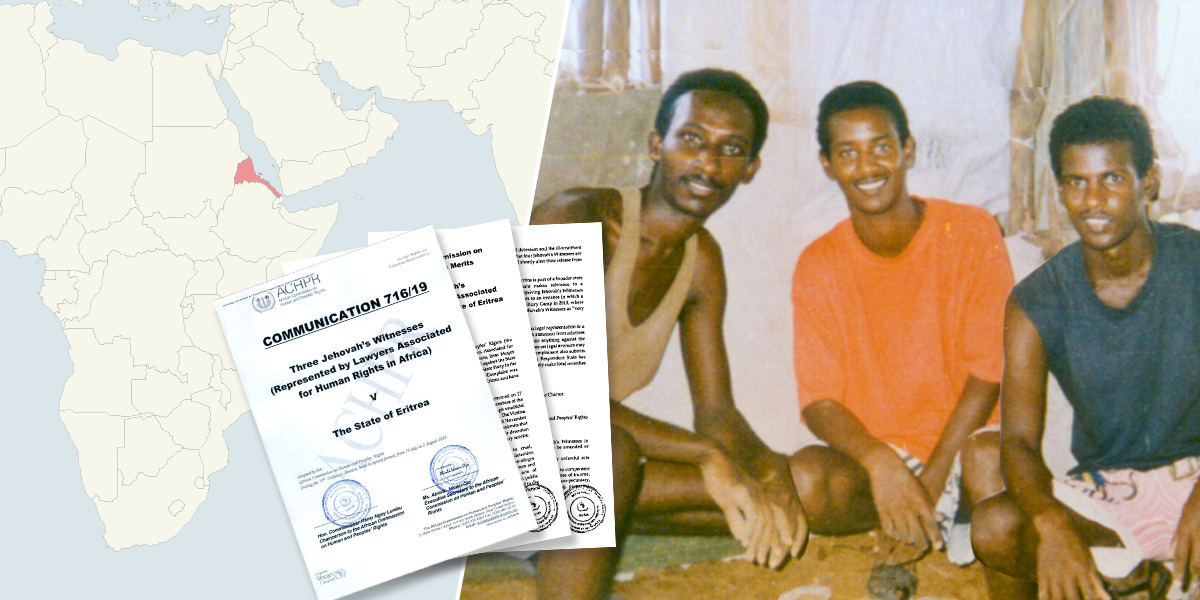
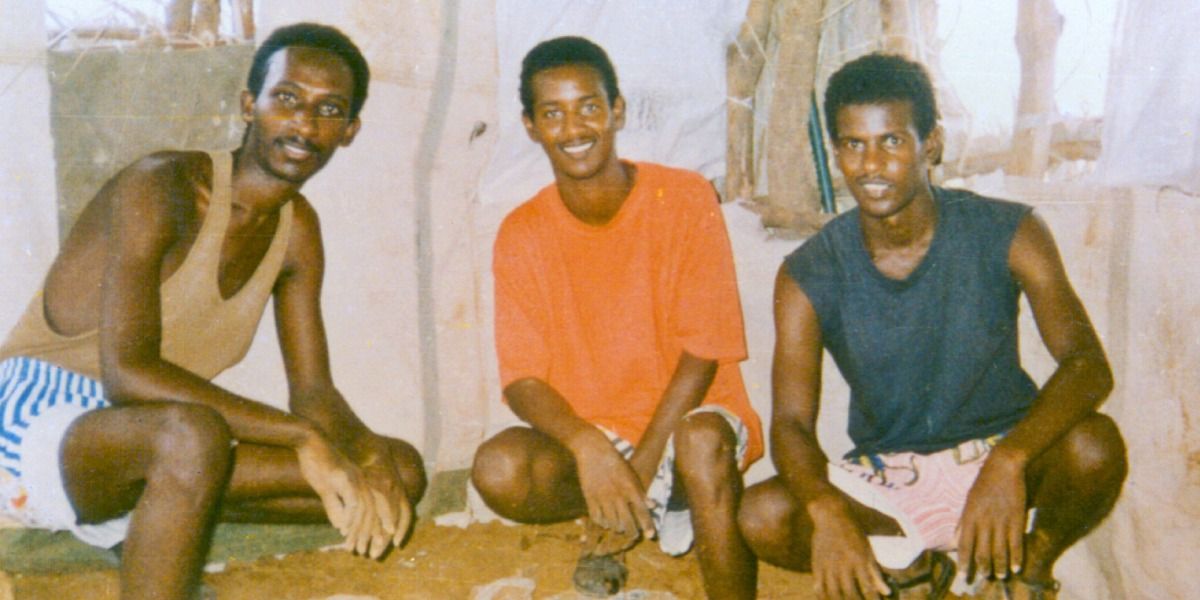
The landmark decision, issued on August 20, 2025, ruled that Eritrea violated multiple articles of the African Charter, including prohibitions against arbitrary detention, denial of fair trial, and subjection to inhumane treatment. The ruling specifically highlights the case of Paulos Eyassu, Isaac Mogos, and Negede Teklemariam, three conscientious objectors imprisoned without charge since September 1994—a staggering 26-year ordeal at the time of the Commission’s decision.
Key Violations and Evidence of Abuse
The ACHPR’s findings detailed the victims’ decades-long captivity, which included being held in crowded metal containers at the notorious Sawa military camp, being denied adequate medical care, and enduring intense physical and psychological abuse, including mock executions and beatings. This judgment underscores the Eritrean government’s systemic persecution of Jehovah’s Witnesses—a religious minority whose citizenship was revoked in a 1994 presidential decree for refusing to participate in the independence referendum and declining military service (conscientious objection).
The ACHPR’s Order and Eritrea’s Response
The Commission ordered the Eritrean state to provide compensation to the three brothers for the prejudice, torture, and agony suffered, in addition to addressing their inability to earn a living for over two decades. However, international rights organizations note that Asmara has a track record of ignoring rulings from regional bodies. As of the publication of the source report (November 13, 2025), Eritrean authorities had issued no official response to the judgment, highlighting the persistent challenges in compelling Eritrea to adhere to fundamental human rights standards.
Share via: