


Cairo | Monitoring Unit, Horn of Africa Policy Center
Report date: March 1, 2026
The debate surrounding the refugee issue in Egypt is escalating sharply, amidst intense online campaigns demanding immediate deportation. Meanwhile, cries for help are growing louder from the Eritrean community, which is facing unprecedented security and humanitarian challenges. While the Egyptian government seeks to regularize the status of foreigners, shocking accounts are emerging of financial extortion and the systematic targeting of Eritrean refugees in particular.
First: The Rise of Anti-Foreign Presence Rhetoric :
Hashtags calling for the purging of the country of what they termed “parallel societies” have emerged on social media platforms . Proponents of this view argue that the absence of strict security oversight has placed immense pressure on economic resources.
[ tweet Link 1: KeshiMaykl 60197]
Analysis: This tweet reflects a tone of skepticism regarding the identity of refugees and the need to resolve the issue from a security standpoint.
[tweet link 2: : Mercy4ALL 82 ]
Analysis: This content focuses on the idea of “national sovereignty” and rejects the continuation of the so-called “open door” policy.
Secondly: The Eritrean particularity… escaping death into the unknown
Unlike other nationalities, Eritrean refugees – especially those fleeing compulsory military service – face the risk of certain death or imprisonment in “metal containers” and inhumane conditions if forcibly deported to Asmara.
In an urgent political move, Dr. Negash Osman Ibrahim, head of the executive office of the Eritrean National Council for Democratic Change, appealed to Egyptian President Abdel Fattah al-Sisi to intervene. In his letter, he emphasized that:
Eritreans consider Egypt a historical safe haven.
The forced deportation of refugees (especially those coming from the Sudan conflict) represents a humanitarian disaster.
The need to review the arrest procedures for those who possess official registration documents with the UNHCR.
Third: Exclusive Testimonies… “ Military Box ” and Extortion Market
In a private testimony to the Horn of Africa Policy Center, an Eritrean refugee in Cairo revealed a terrifying pattern of financial targeting. According to the source, those arrested are not always taken to the public prosecutor’s office, but rather a “bargain” takes place inside military vehicles ( pickups ).
Key Points of the Field Testimony:
Financial exchange: The person is released immediately upon paying an amount estimated at US$100 inside the car without an official report being filed.
Spy networks: Individuals from within the Eritrean community are involved, working as informants for gangs or security agencies, identifying targets with financial liquidity.
Sexual blackmail: Human rights organizations have documented reports of female refugees being subjected to sexual blackmail in exchange for not being deported or having their status legalized.
Fourth: Geopolitical Complexity and Impact :
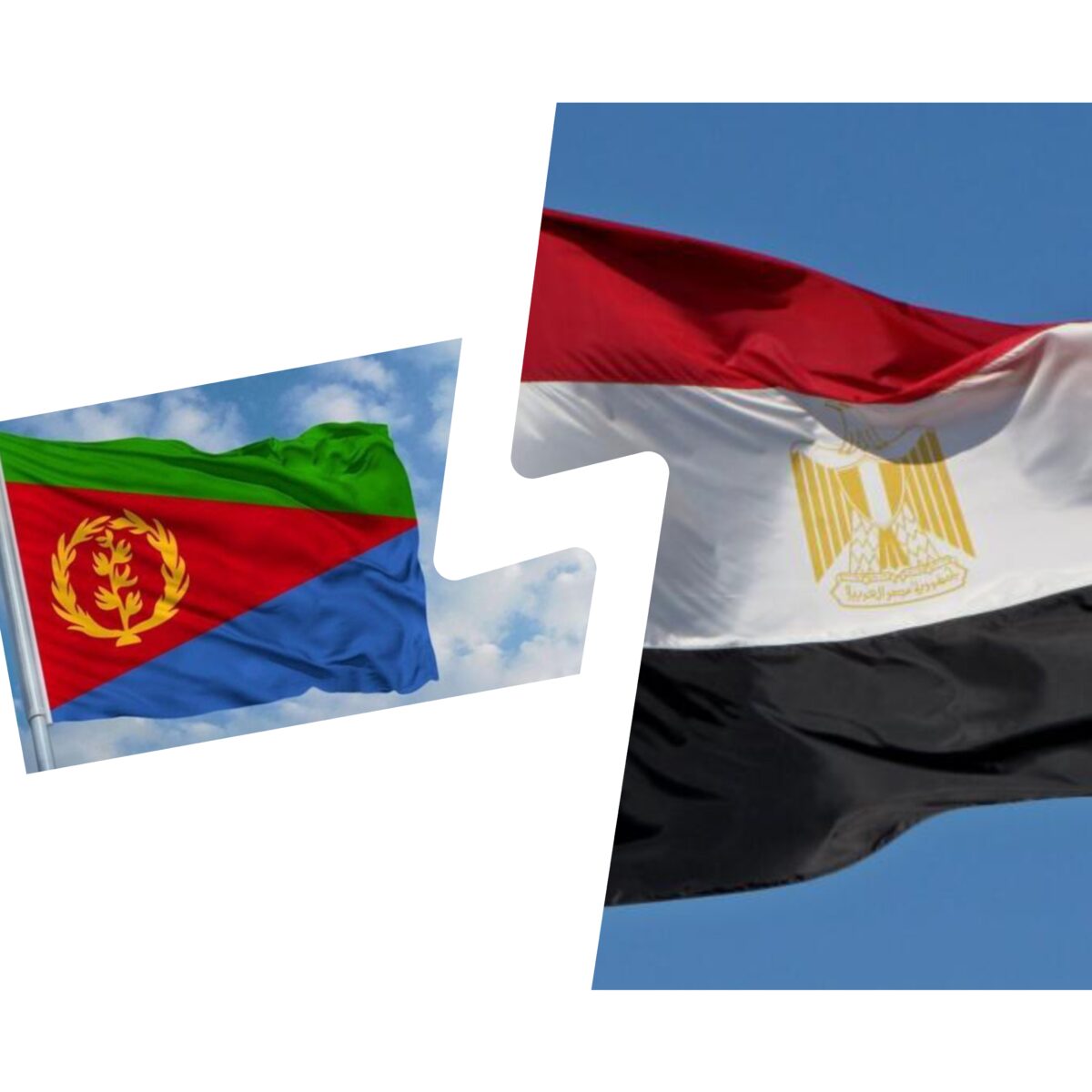
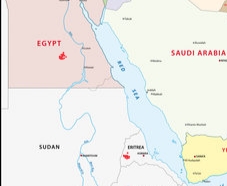
This tightening of security comes at a time when Egyptian-Eritrean relations are witnessing a strategic rapprochement (within an undeclared alliance to counter Ethiopian expansion). Observers believe that this political rapprochement may come at the expense of Eritrean refugees, as their cases are being handled through “security understandings” between the two countries rather than under the umbrella of “international refugee protection.”
[tweet link 3: MehariSolomon 7 ]
Analysis: The tweet illustrates the depth of the legal crisis faced by the refugee despite attempts to comply with Egyptian laws.
Summary and Recommendations :
The conflation of “legalization” with “forced deportation” to countries suffering under repressive regimes places Egypt under international legal responsibility. Protecting Eritrean refugees from extortion gangs and networks of internal informants is now an urgent necessity to prevent Cairo from becoming a “trap” for the persecuted.
Share via: