


Editing by: HAPC Monitoring unit,

Date: March, 2026,
Against the backdrop of the regional war, Iranian officials issued a number of threats, during the past week, to destabilize the security of the Red Sea and Bab al-Mandab Strait in the event of any potential targeting by United States of America of Kharg Island located in western Iran.
In recent days, the Iranian news agency ‘Tasnim’ published a statement by an Iranian official, without specifying his name due to security concerns , saying : “Any American targeting of Kharg Island will create a state of insecurity in Bab al-Mandab Strait and Red Sea, and we will consider them a live target.”
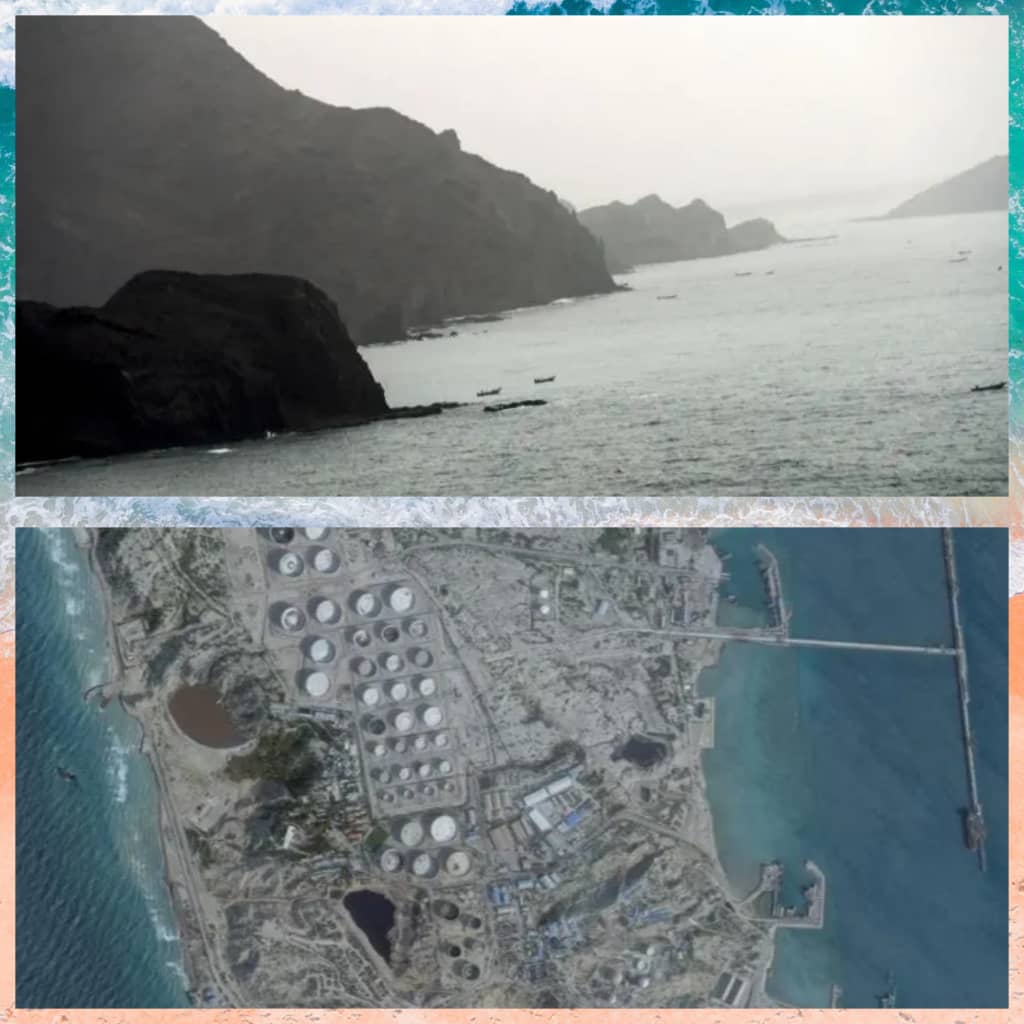
This came in response to hints from the United States through its statements about targeting Iran’s logistical capabilities and national assets, and as a warning to the United States to create a front of unrest extending to Bab al-Mandab and the Red Sea as soon as the Iranian oil facility on Kharg Island, which represents the main center for the production and export of Iranian oil, is touched.
Last Friday, United States announced a temporary exemption from sanctions on Iran, allowing it to sell and trade crude oil, provided that oil tankers stranded at sea are allowed to proceed. The American statements provoked Iranian officials to fear a possible American move to target the island.
The importance of Kharg Island to Iran stems from its strategic location, 30 kilometers from the Iranian coast in the Arabian Gulf, as it is one of the most important strategic centers for exporting Iranian oil.
This threat represents a return to the Red Sea crisis, the repercussions of which have not subsided since the past two years, and its impact on the decrease in oil tanker flows through Bab al-Mandab from approximately 9.5 million barrels per day to 4 million barrels during 2023 and 2024.
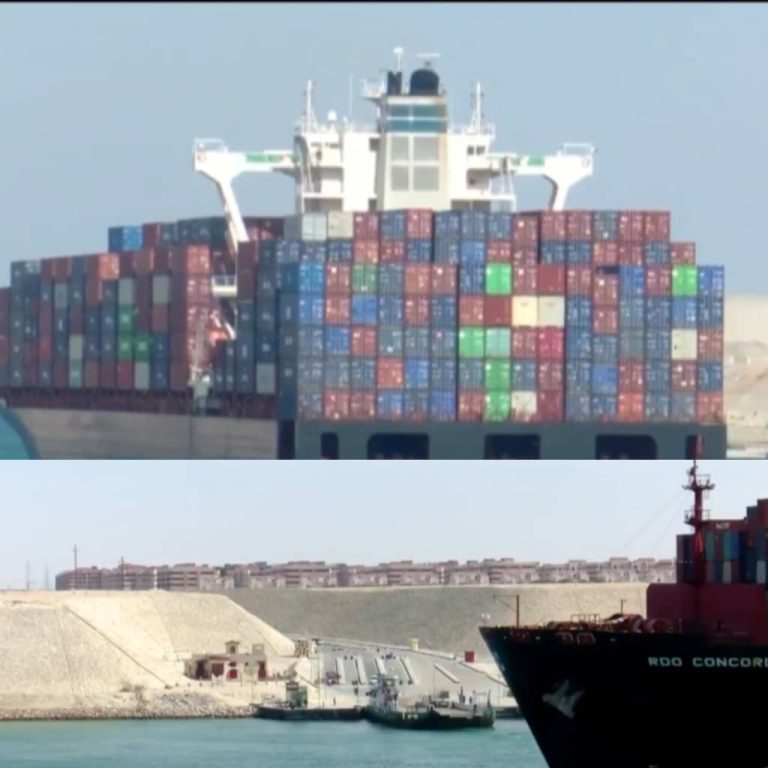
The Arab Republic of Egypt is at the top of the list of countries affected by the deteriorating security situation in the Red Sea and the Bab al-Mandab Strait, given that the Suez Canal is affected by the movement of ships according to the maritime security situation and the movement of ships in the waters of the Red Sea, considering the Suez Canal and the ‘ SUMED ‘ oil pipeline as a national resource for Egypt, where Egypt’s losses from the disruption of traffic in the canal during the past two years are estimated at about 7 billion dollars, and the decline in traffic and the passage of ships through the canal continues to this day.
Analysts believe that the world’s attention is turning towards a more critical and complex phase during the exchange of threats between Iran, the United States, and Israel, as maritime areas and their trade routes have become primary strategic war targets. From the perspective of the theory of power through maritime control, the routes have become open in form but fraught with danger, as war could turn them into areas of armed conflict, leaving behind further strangulation of global trade and energy supplies, if the conflicting parties do not reach a cease-escalation and contain the crisis.
Share via: