



Follow-ups:HAPC Forum,
Publication date:12/4/2026,
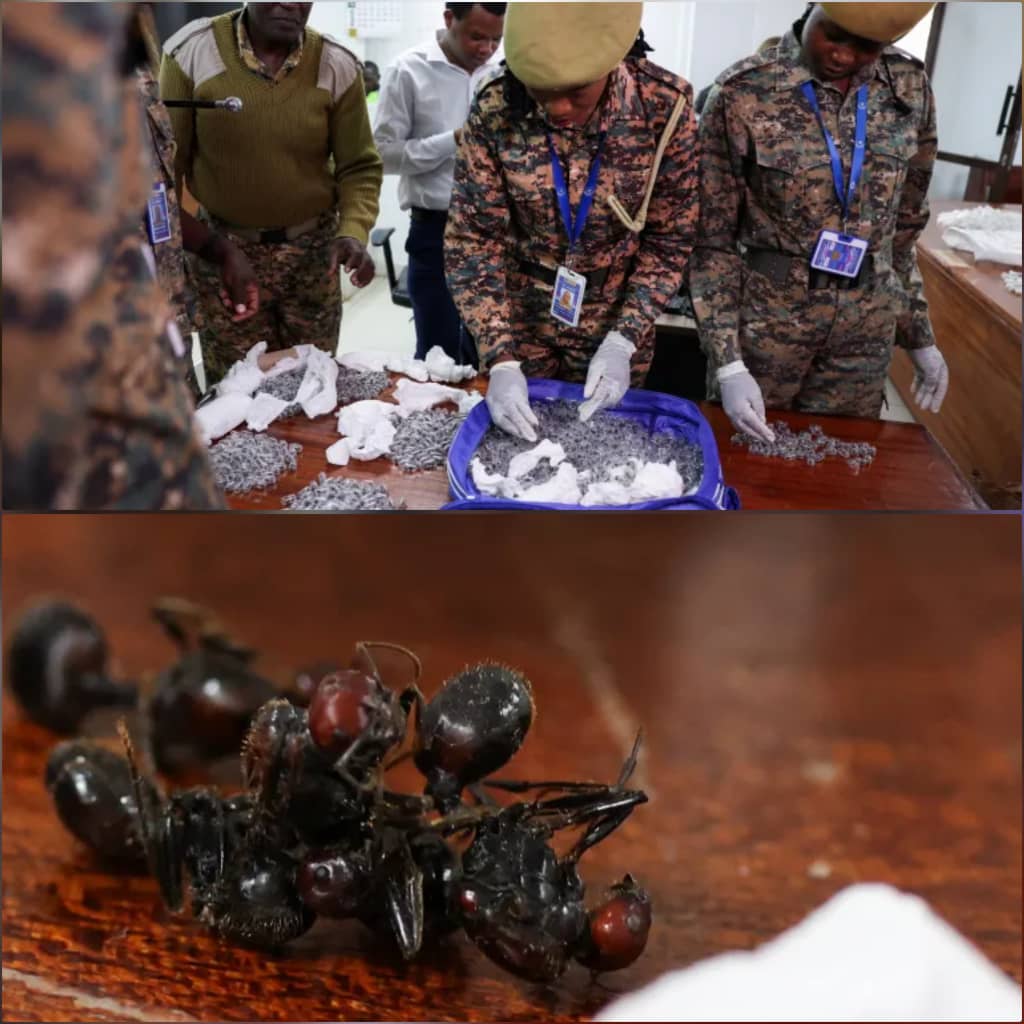
It did not seize , as usual, packages and parcels of smuggled heroin, elephant horns, or rhinoceros. Instead, they seized approximately 2,000 small ants in the possession of smugglers attempting to transport them out of Kenya. This is considered the strangest smuggling pattern in the world, so much so that the news is unbelievable at first glance, but it is the most profound expansion in the scope of organized crime, and the most bizarre simply by being classified as “insect smuggling”.
Kenya had issued a ban a year prior on any suspected livestock smuggling, warning of rising demand for garden ants in Asia and Europe. This issue brought its warnings back to the forefront, as a Kenyan court had sentenced four defendants months earlier, convicting them of attempting to smuggle approximately 5,000 ants out of the country. The court deemed this a flagrant violation of the 2013 Wildlife Conservation Act and sentenced the defendants to a fine of $7,700 or 12 months imprisonment as an alternative punishment.
What is More Valuable, Elephant Ivory or Garden Ants?
Elliott stated Dornbus , a criminologist at the University of Nottingham Trent , a British newspaper, said that wildlife smuggling crimes have been associated for several years with familiar forms such as elephant ivory, rhino horn and tiger fur, “but the recent addition of invertebrates such as ants, spiders and scorpions to the list of smugglers’ favorite goods is somewhat strange”.
Although there are no precise figures showing the size of this unregulated trade, estimates may indicate that the insect market will reach about $17.9 billion by 2033, reflecting the increasing demand for them, whether for use in scientific research laboratories, as food, or as a hobby of keeping insects as unconventional “pets”.
What are “Rare” Pets?
The Conversation, a website focused on scientific research, published an article explaining that the interception of an attempt to smuggle ants at a Kenyan airport is not only evidence of high demand for these species, but also hints at existing overseas markets linked to a smuggling network operating across borders. Furthermore, the investigations revealed a dangerous implication: the ants were being smuggled out of Kenya solely for sale as pets to hobbyists raising insect colonies, potentially leading to a broader trade in rare pets such as reptiles and birds.
There are other cases with similar objectives, such as attempts to smuggle beetles and rhinoceroses to Japan or an insect called the ” praying mantis” to European countries, in a random market due to the increasing demand and search for everything that is “small and rare” as two qualities associated at the same time.

Share via: