


Follow-ups: "HAPC" Team:
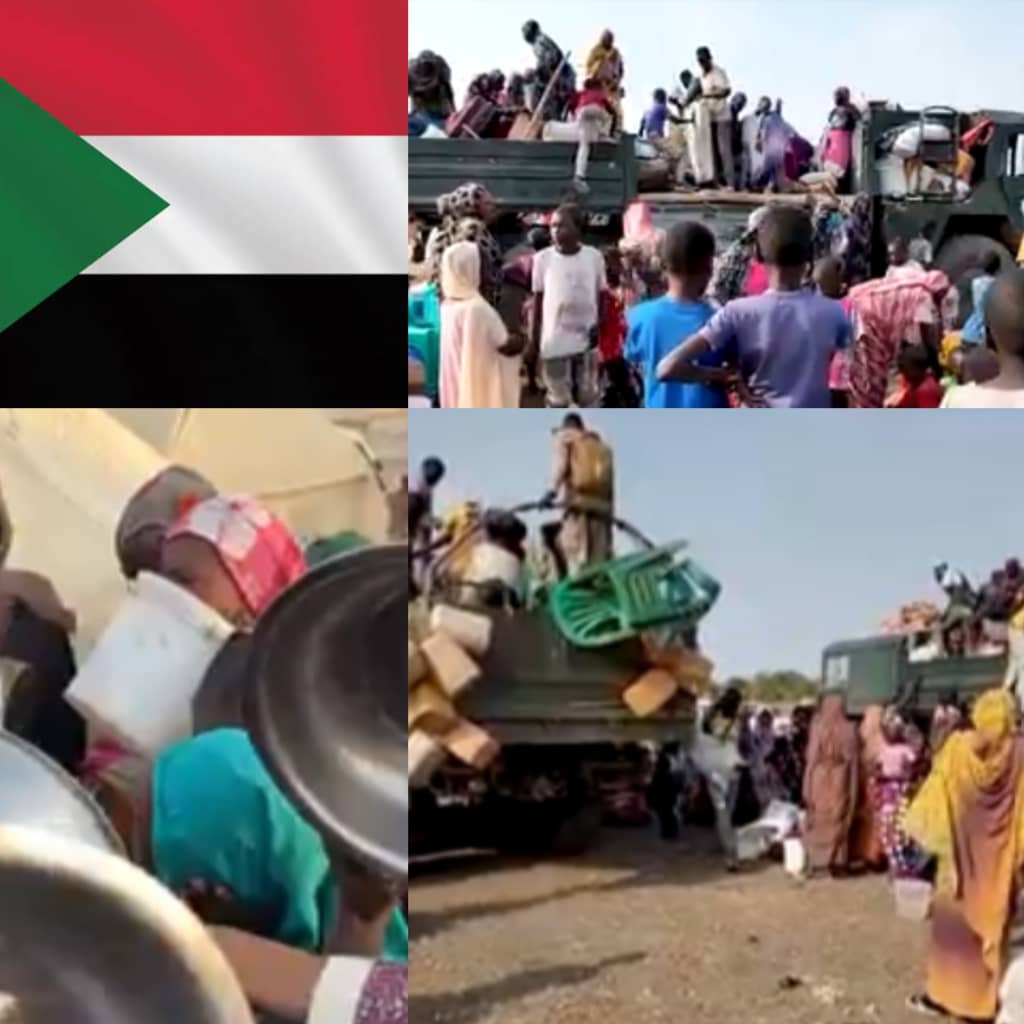
At a time when the United Nations announced that Sudan was facing a major humanitarian crisis, the director of the World Food Programme in Sudan, Ross Smith, stated that there are severe difficulties in transporting and supplying various relief supplies in light of the current war between Israel, United States and Iran.
“We are already seeing the impact of the war in the Middle East through rising global fuel prices, disruptions to supply lines, and all of this resulting in rising food prices on various global levels. Many countries in the Middle East have been most affected, including Sudan.” Ross Smith said.
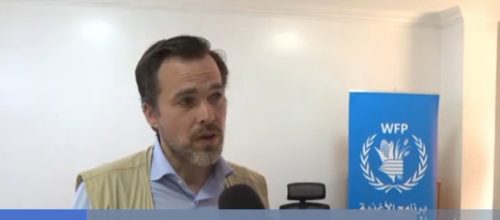
Russ Smith, WFP Director in Sudan
Smith explained, “We currently need about an additional month to transport humanitarian aid to Sudan, which adds significant pressure, higher costs, and a longer time to meet the needs of those in need.”
In the same context, Qismah Abdelkarim , Director of the Humanitarian Aid Commission in Blue Nile, called on humanitarian organizations to provide for the needs of the displaced.
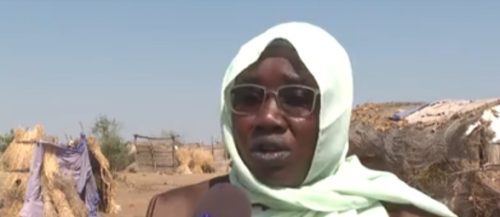
Commission Director: Qismah Abdulkarim
She said: “The situation has become difficult for care in light of the continued influx of displaced persons and returnees with weak support from humanitarian organizations, and we are currently facing funding challenges for many displaced persons camps.”
Given the current challenges, approximately 33 million Sudanese people are in need of humanitarian assistance, with 19 million suffering from food insecurity and 4 million children requiring care and education, according to United Nations estimates.
This humanitarian suffering continues in Sudan as the war continues since its beginning on April 15, 2023, between the Sudanese army and the Rapid Support Forces, leaving behind an ongoing and unending humanitarian tragedy. The question remains: Is the talk of a truce in recent days between the warring parties a sign of hope for the Sudanese people to end the war and establish peace?!