


Follow-ups| Forum of Horn Vision "HAPC"
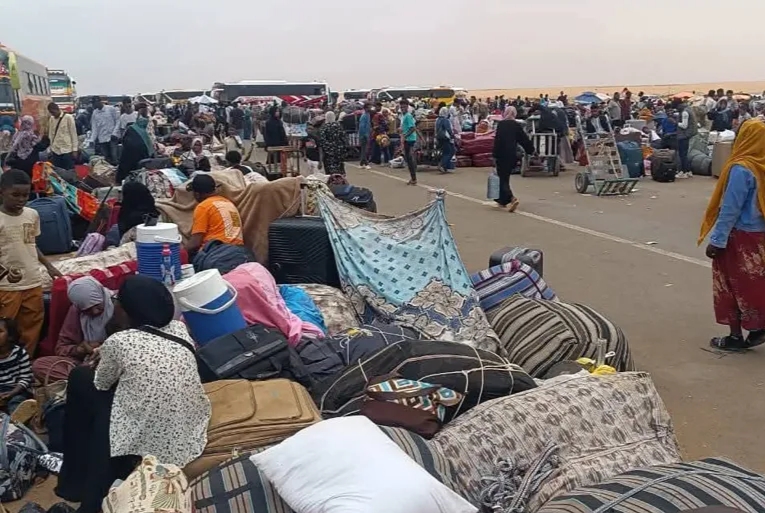
Wednesday|May27, 2026A tragedy on the border, and a harsh wait that robs the joy of returning. The journey back to the homeland was not as envisioned by the thousands of Sudanese families returning from Egypt. Between overwhelming feelings of longing and anxiety about the road, the Arqin border crossing turned into a trap of severe overcrowding and suffocating human suffering.
This tragedy was embodied in long queues burdened by the insane rise in travel ticket prices and escalating logistical fees, in the near-total absence of official oversight.
The scene has turned into a harsh test beyond endurance, revealing the extent of the burdens that weigh down the Sudanese citizen even in moments that are supposed to bring joy.
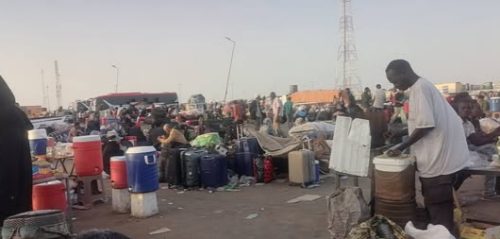
The press documented many of the stranded people through videos and live testimonies, describing tragic situations; entire families spent days under the open canopy of the open air, facing record temperatures and a severe shortage of drinking water, food, and basic humanitarian services.
According to testimonies, families and their luggage were piled up around the crossing waiting for a means of transport to rescue them from this traffic and humanitarian bottleneck, which deepened the cases of physical and psychological exhaustion and fatigue of the travelers since their feet touched the border area.
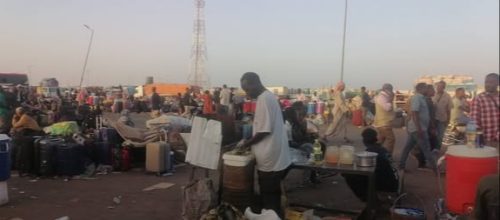
This has sparked widespread public anger, with activists warning that ” official inaction ” threatens disaster, as the shocking scenes circulating have triggered a wave of outrage in Sudanese circles.
Citizens expressed their deep dissatisfaction with the harsh conditions in which those stranded are living, amid widespread popular demands for urgent emergency intervention to improve services and facilitate crossing, especially during peak seasons.
In a related context, activists directed harsh criticism at the concerned authorities, describing them as being in a ” deep slumber “, while families sleep on the ground and have the sky as their blanket for days.
Human rights platforms attributed the worsening crisis to the scarcity and absence of transport buses at the crossing, the escalation of ” tolls ” and fees imposed along the road, in addition to the significant increase in fuel prices.
Activists warned that the continuation of this situation could lead to an imminent humanitarian catastrophe, especially after deaths were recorded among those stranded.
Reports revealed the death of three Sudanese refugees in the vicinity of the crossing, after tens of thousands were left under the scorching desert sun and severe thirst, only to be confronted with a bitter reality that contradicts official promises of providing an easy voluntary return, in a bitter scene described by bloggers as ” a harsh betrayal and not a return home “.
Activists also confirmed that the crossing had become a hotbed of exploitation by ” crisis profiteers ” who took advantage of the lack of organization and chaos to deepen the suffering of besieged families.
The management of the crossing was criticized, with some describing it as a management crisis rather than a logistical problem. Bloggers described the situation in Arqin as reflecting ” humiliation, insult, and unbearable suffering , ” pointing to widespread chaos and a complete lack of responsibility in managing the transport and crossing process.
Observers believe the situation raises fundamental questions about the management of border crossings and the lack of proactive planning for peak seasons, warning that the absence of radical solutions will turn these border points into continuous humanitarian pressure points instead of being safe and organized corridors.
Citizens bitterly questioned the meaning of a return that begins with humiliation and marginalization after years of displacement and homelessness, considering that the issue goes beyond logistical shortcomings to a crisis of management and oversight.
The bloggers called on the relevant authorities to tighten control over the transport sector and regulate ticket prices, and to provide the minimum level of humanitarian services ( water, sanitary facilities, and temporary shelters ) to avoid the gap between the increasing demand and the available resources.
The official narrative hinted at signs of a breakthrough in the crisis and behind-the-scenes reasons, as the director of the Arqin border crossing, Brigadier General Mubarak Dawood, announced the beginning of a gradual easing of the crisis.
He confirmed that a number of buses have been provided to transport the returnees to their various states, expecting the overcrowding situation to end completely.