



Khartoum|Forum of Horn Vision"HAPC"Saturday|May30, 2026
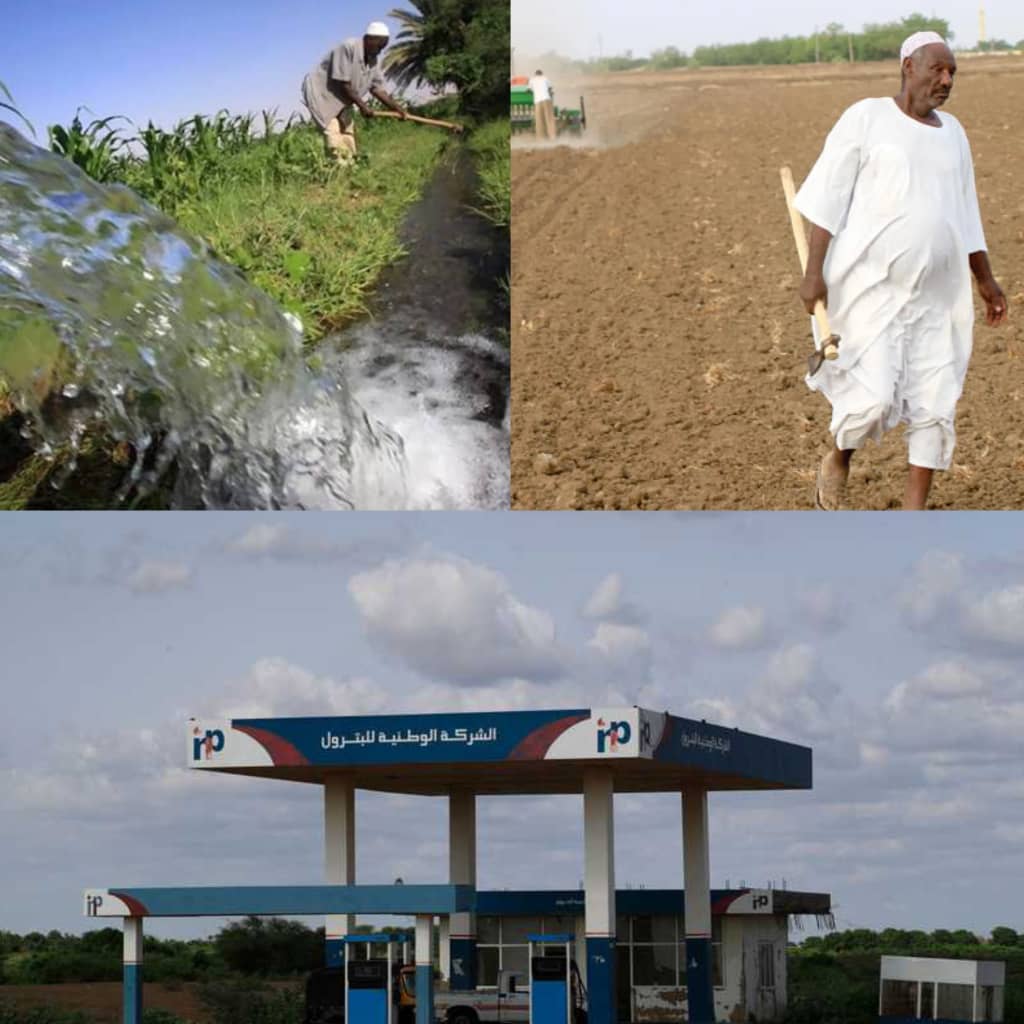
The Sudanese markets are suffering an unprecedented record jump in fuel prices, with diesel prices doubling dramatically, casting a dark shadow over the agricultural sector, amid serious fears of a sharp decline in production rates for the current season.
Shocking Figures and Costs Exceeding Production Capacity:
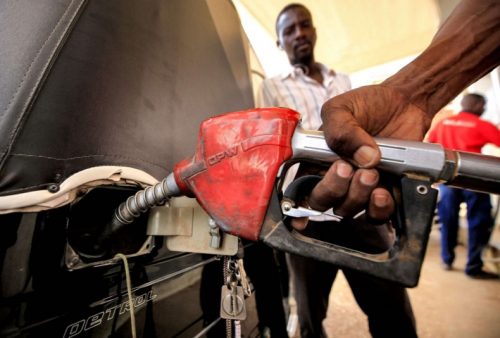
The available data illustrates the depth of the crisis; the price of a gallon of diesel has jumped from around 19,000 Sudanese pounds at the beginning of April to nearly 50,000 pounds currently. The suffering is not limited to fuel; it has extended to essential agricultural inputs.
Fertilizer Crisis:
Fertilizer prices have risen sharply, with the cost of one bag of urea fertilizer now roughly equivalent to the value of two bags of wheat in local markets.
Energy and Irrigation Crisis:
These increases coincide with frequent power outages in agricultural areas, which have hampered the operation of irrigation pumps and further complicated the situation.
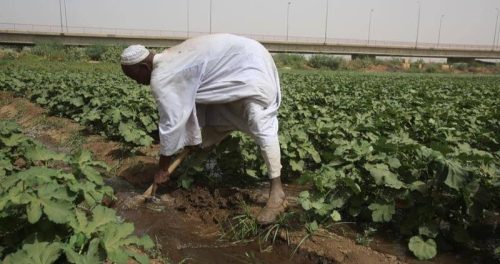
These economic pressures, coupled with the unrest Regional factors and rising input costs globally have led many farmers to make the difficult decision to reduce the cultivated areas this season.
This comes at a time when the ongoing war between the army and the Rapid Support Forces has caused large numbers of farmers to be displaced, making it difficult to access their lands, and damaging large areas of them.
As a result of these data, the production of strategic crops is expected to witness a significant decline, including basic food crops such as sorghum and millet, in addition to export crops, most notably sesame.
Widening Import Gap and the Risk of Famine:
Sudan currently relies on imports for about 80% of its wheat needs to meet the requirements of bakeries and the food industry, a dependence that is becoming more entrenched as local production declines due to the war.
Military operations have also led to increased reliance on fuel imports, while the Gulf states remain the main source of fertilizer imports.
UN warning:
Reports from United Nations show that some 19.5 million people in Sudan are already facing critical levels of food insecurity.
Given these circumstances, those working in the agricultural sector are issuing strong warnings that the continued insane rise in costs – which has more than doubled – will directly affect the ability of producers, threatening to deepen food shortages, and exacerbate hunger indicators in the country in the coming period.