


Kampala | Forum of Horn Vision "HAPC"
Tuesday|May26, 2026Ugandan health authorities are racing against time to contain the Ebola outbreak after two new cases were confirmed, bringing the total number of infected people in the country to seven.
Medical Staff in Danger:
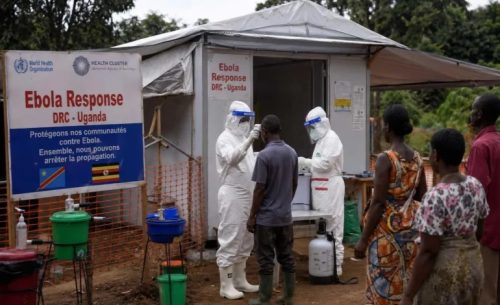
The Ugandan Ministry of Health stated in a statement that the two discovered infections belong to two medical staff of Ugandan nationality, working inside a private health facility in the capital , Kampala.
As soon as the tests were confirmed, the infected people were transferred to a specialized isolation and treatment unit to receive the necessary care, while rapid response teams began intensive operations to track and monitor potential contacts to limit the spread of infection.
This announcement came just two days after authorities revealed that three more cases had been recorded last Saturday, an indication of the rising infection curve.
A Rare Breed Crosses Borders:
Epidemiological reports indicate that the initial spark of this outbreak originated in the Ituri province of the Democratic Republic of Congo , which borders Uganda.
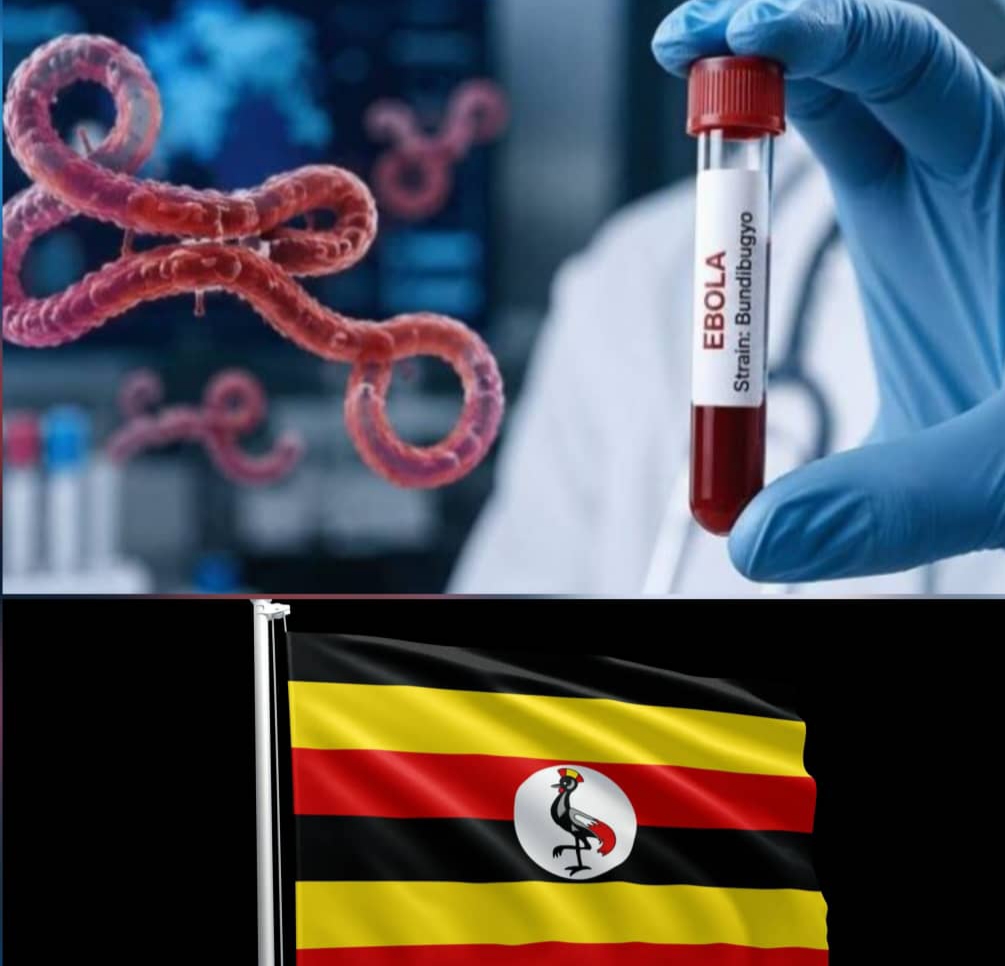
This concerns the ” Bondibugyo ” strain , one of the rarest strains of the Ebola virus that has appeared in recent outbreaks.
The World Health Organization Warns:
This outbreak has been classified as a Public Health Emergency of International Concern . According to the Director-General of the World Health Organization, Tedros Adhanum Ghebreyesus said ” the concerns are growing as the number of suspected cases has exceeded 900 , of which 101 have been confirmed so far”.
Diagnostic Challenges and the Absence of a Vaccine:
” Bondibugyo ” strain is causing great concern in the global medical community due to its exceptional nature, and the most prominent challenges facing efforts to contain, it can be summarized in the following points:
– Lack of immunization: there is currently no approved vaccine or treatment protocol specifically designed to combat this particular strain.
– Laboratory obstacles: because it is the least common and widespread strain, most of the diagnostic tools and methods available globally were not originally designed to detect it primarily.
Faced with this complex situation, health officials in the region are racing against time to devise rapid containment mechanisms to prevent the virus from getting out of control in light of these treatment and diagnostic gaps.
Analysts believe that the outbreak of this strain of Ebola virus , at this time, especially in the Republic of Congo and Uganda, may be a natural outbreak , or a type of biological warfare and settling of scores between the great powers in the area of the African continent. Whatever the reason, this type of virus has become a biological threat to Central African countries and countries of the Horn of Africa.